 Ramrajeshbee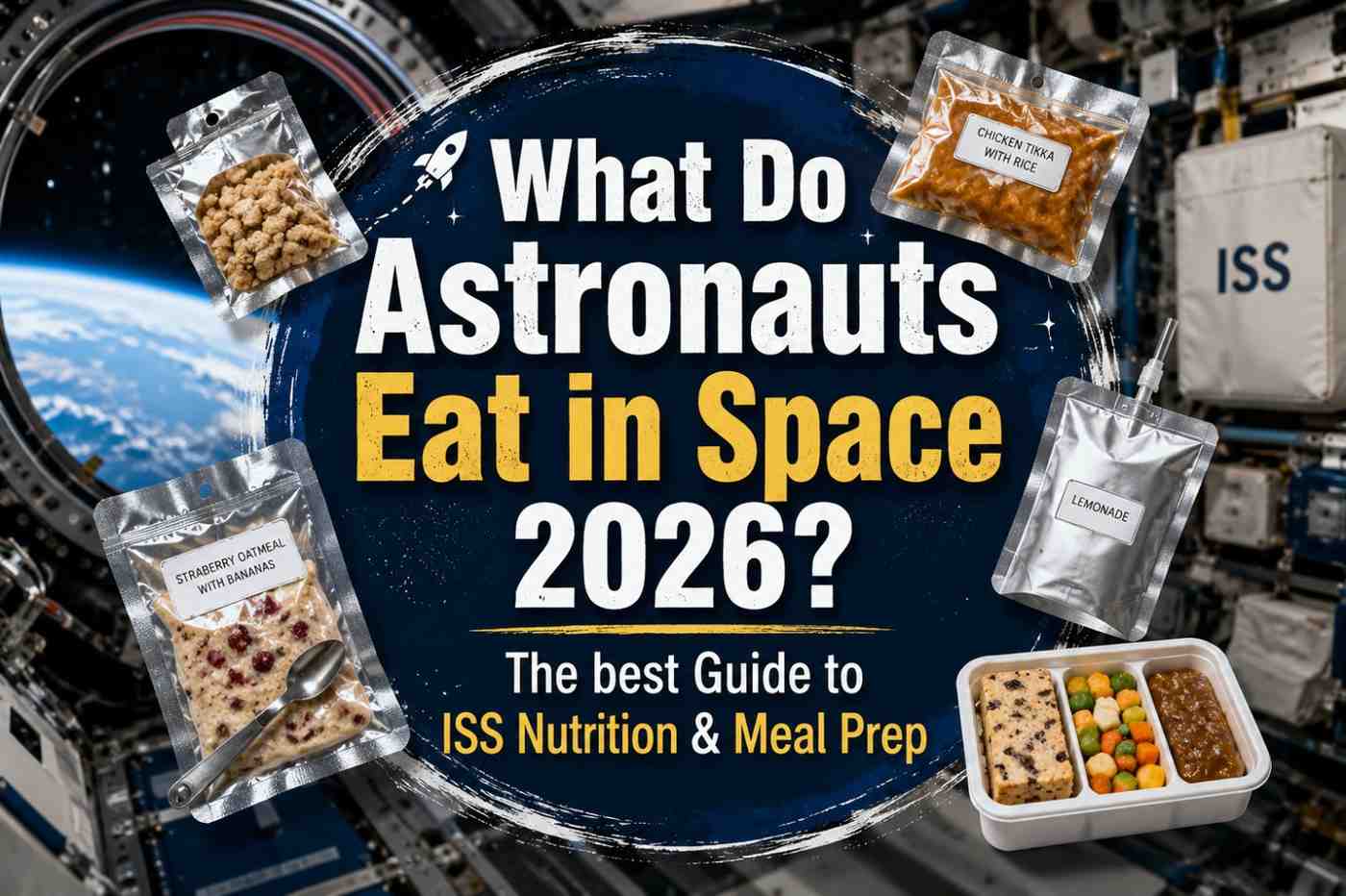
Introduction
What do astronauts eat in space in 2026? It’s one of the most common questions people ask about life beyond Earth—and the answer is far more interesting than freeze-dried ice cream tubes.
Modern space food has come a long way since the paste-in-a-tube days of Mercury missions. Today’s ISS crew eats real meals—and some of them are surprisingly good.
Let’s dig into everything you need to know about eating in space this year.
What Do Astronauts Eat in Space 2026? The Basics
What do astronauts eat in space? 2026 comes down to three core food categories:
- Thermostabilized food — heat-processed for shelf stability (like canned food, but in pouches)
- Freeze-dried food — dehydrated and rehydrated with water onboard the ISS
- Irradiated food — treated with radiation for preservation without refrigeration
- Natural form food—items like nuts, granola bars, and dried fruits that need no prep
Astronauts on the ISS have access to roughly 200 different food items and 100 beverages. That’s a surprisingly varied menu for life in low Earth orbit.
A Full Day of Eating on the ISS in 2026
Breakfast Options
A typical ISS breakfast might include the following:
- Scrambled eggs (thermostabilized)
- Oatmeal with fruit
- Orange or apple juice
- Coffee or tea (specially packaged for microgravity)
- Granola with dried milk
Breakfast in space looks almost normal — except everything is sealed in pouches or bite-sized pieces to avoid crumbs floating into sensitive equipment.
Lunch on the ISS
Lunch for the astronaut crew in space in 2026 often includes the following:
- Tortillas (used instead of bread — bread crumbs are hazardous in microgravity)
- Peanut butter or chicken salad
- Fruit pouches
- Vegetable soups
- Crackers with cheese spread
Notice the tortillas? They’ve been a staple since the Shuttle era because they keep crumbs contained. Even today, they remain the bread of choice in space.
Dinner in Microgravity
Dinner is often the most “social” meal on the ISS, with crew members gathering at the galley table. Common options include:
- Beef stew or beef tips
- Shrimp cocktail (a crew favorite for decades)
- Pasta dishes
- Rice with vegetables
- Fruit or pudding cups for dessert
Some crew members bring special food from their home countries—Japanese astronauts often bring ramen and wagashi; European astronauts might pack regional specialties approved by the ESA.
How Is Space Food Prepared in 2026?
Understanding what astronauts eat in space in 2026 also means understanding how meals are prepared in microgravity.
The ISS galley has a rehydration station and a food warmer. Here’s the basic process:
- Select your meal pouch from the pantry
- Add water using the rehydration port (for freeze-dried items)
- Insert into the food warmer—it heats food to approximately 163°F (73°C)
- Eat directly from the pouch with a spoon or fork—surface tension keeps food on utensils in microgravity
Liquids are consumed through straws with clamps. Any beverage left unsealed would float away as globules—and liquid floating near electronics is a serious hazard.
The Science of Space Nutrition in 2026
What astronauts eat in space in 2026 is governed by serious nutritional science. NASA’s Human Research Program designs menus to maintain crew health across long-duration missions.
Key nutritional goals include:
- 2,000–3,000 calories per day depending on crew size and activity level
- High protein intake to combat muscle loss in microgravity
- Adequate vitamin D since astronauts get no sunlight exposure
- Controlled sodium to reduce fluid retention in zero gravity
- Omega-3 fatty acids to support bone density and cognitive function
Bone and muscle loss remain the biggest dietary challenges. Even with excellent nutrition, astronauts lose significant bone density without resistance exercise—which is why the ISS has a treadmill, a resistance machine, and a cycling ergometer.
Related Article: Effects of Space Travel on the Human Body 2026
Fresh Food on the ISS: Growing Plants in Space
One of the most exciting developments in answering “What do astronauts eat in space 2026?” is the expansion of the Veggie and Advanced Plant Habitat experiments.
Astronauts have grown and eaten the following:
- Romaine lettuce — the first food grown and eaten entirely in space
- Red Russian kale
- Zinnia flowers (not edible, but crucial for morale)
- Mizuna mustard
- Dwarf wheat (experimental)
Fresh food offers enormous psychological benefits in addition to nutritional ones. The smell and texture of a freshly grown lettuce leaf—after weeks of packaged food—are reportedly transformative for crew morale.
Surprising Space Food Facts
Here are some facts that might surprise you about what astronauts eat in space in 2026:
- Shrimp cocktail is one of the most popular dishes in NASA’s history—astronauts love it
- Salt and pepper come in liquid form—dry versions would float and clog air filters
- Taste changes in space—fluid shifts to the head, dulling taste receptors, so astronauts often crave spicier or more flavorful food
- Carbonated drinks are avoided—without gravity, gas and liquid don’t separate in your stomach, causing severe discomfort
- Astronauts gain weight briefly—fluid shifts make faces puffy, not actual fat gain
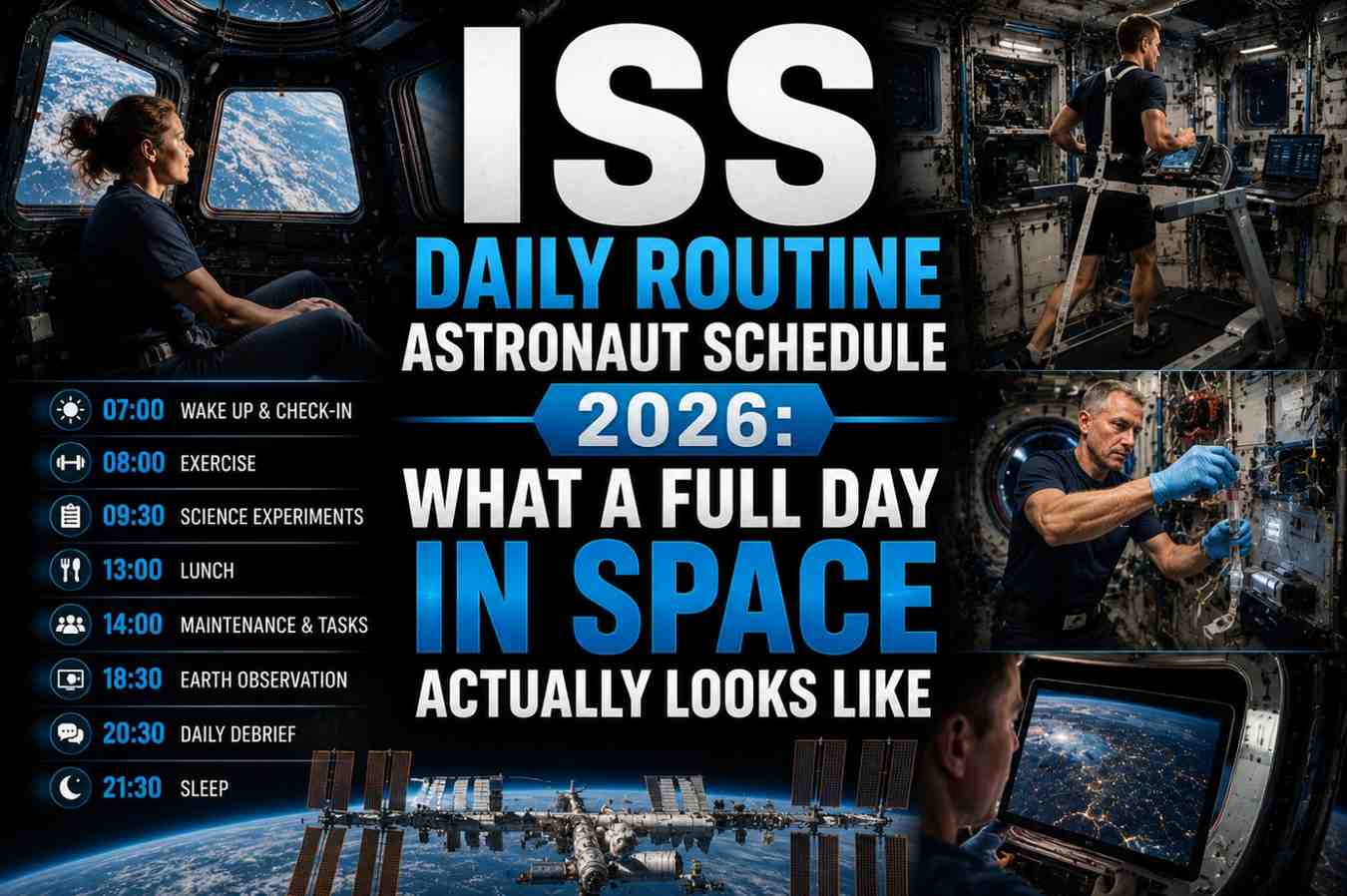
Related Article: ISS Daily Routine Astronaut Schedule 2026
External Resources
FAQ: What Do Astronauts Eat in Space 2026
Q1: What do astronauts eat in space in 2026 for breakfast? Common breakfast options include thermostabilized scrambled eggs, oatmeal, granola, and coffee or juice in sealed pouches.
Q2: Can astronauts eat fresh food in space? Yes—NASA’s Veggie experiment allows astronauts to grow and eat fresh lettuce, kale, and other greens aboard the ISS.
Q3: Why don’t astronauts use bread in space? Bread crumbs float freely in microgravity and can damage electronics or be inhaled. Tortillas are used instead because they don’t crumble.
Q4: Do astronauts drink alcohol in space? Alcohol is not permitted aboard the ISS due to fire safety and equipment concerns.
Q5: Does food taste different in space? Yes, fluid shifts toward the head can dull taste receptors, causing many astronauts to crave stronger flavors and spicier food.
Conclusion
So what do astronauts eat in space in 2026? Real, carefully designed meals built for health, morale, and survival in one of the most challenging environments humans have ever inhabited.
From shrimp cocktail to freshly grown lettuce, the ISS menu in 2026 is more varied and sophisticated than most people expect.
Curious about more space life details? Explore our full series on astronaut life aboard the ISS — from sleep to salaries and everything in between.